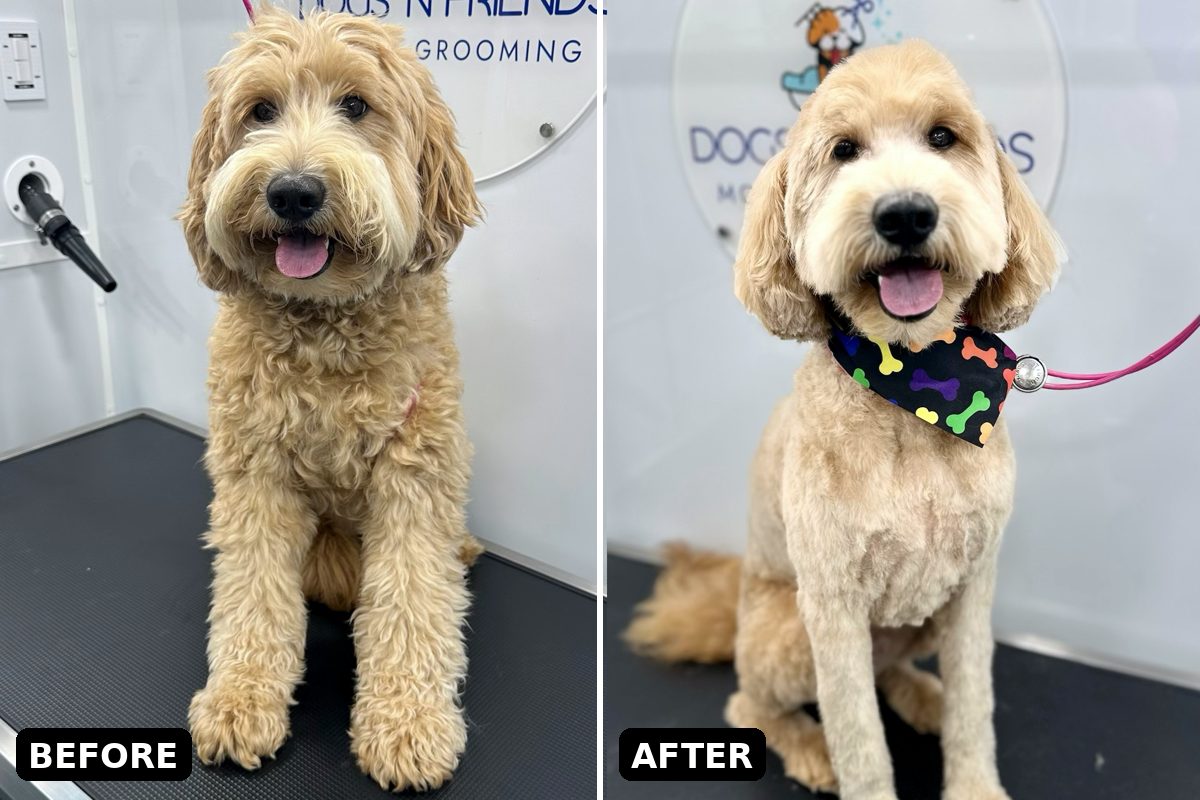
How Often Should You Groom Your Dog? A Guide by Coat Type
It's one of the questions we hear most from pet parents in Gwinnett County, and the honest answer is: it depends on your dog's coat. A Labrador and a Goldendoodle can live in the same house, eat the same food and still need completely different grooming schedules.
Here's a simple guide by coat type, the signs that tell you it's time, and what you can do at home to stretch the time between visits.
Quick answer: grooming frequency by coat type
Coat type | Example breeds | How often |
|---|---|---|
Curly or continuously growing | Poodles, Doodles, Bichons, Shih Tzus, Yorkies, Maltese | Every 4–6 weeks |
Double coat | Golden Retrievers, German Shepherds, Aussies, Shelties, Corgis | Every 6–8 weeks |
Wiry coat | Schnauzers, many Terriers | Every 6–8 weeks |
Short, smooth coat | Labs, Beagles, French Bulldogs, Boxers, Pit Bulls | Every 8–12 weeks |
These are starting points. Your dog's lifestyle, age and skin matter too, and we'll fine-tune the schedule after the first visit.
Curly and continuously growing coats: every 4 to 6 weeks
Poodles, Doodles, Bichons, Shih Tzus and similar breeds have hair that keeps growing. That hair doesn't shed out on its own, so it tangles and mats if it's left too long.
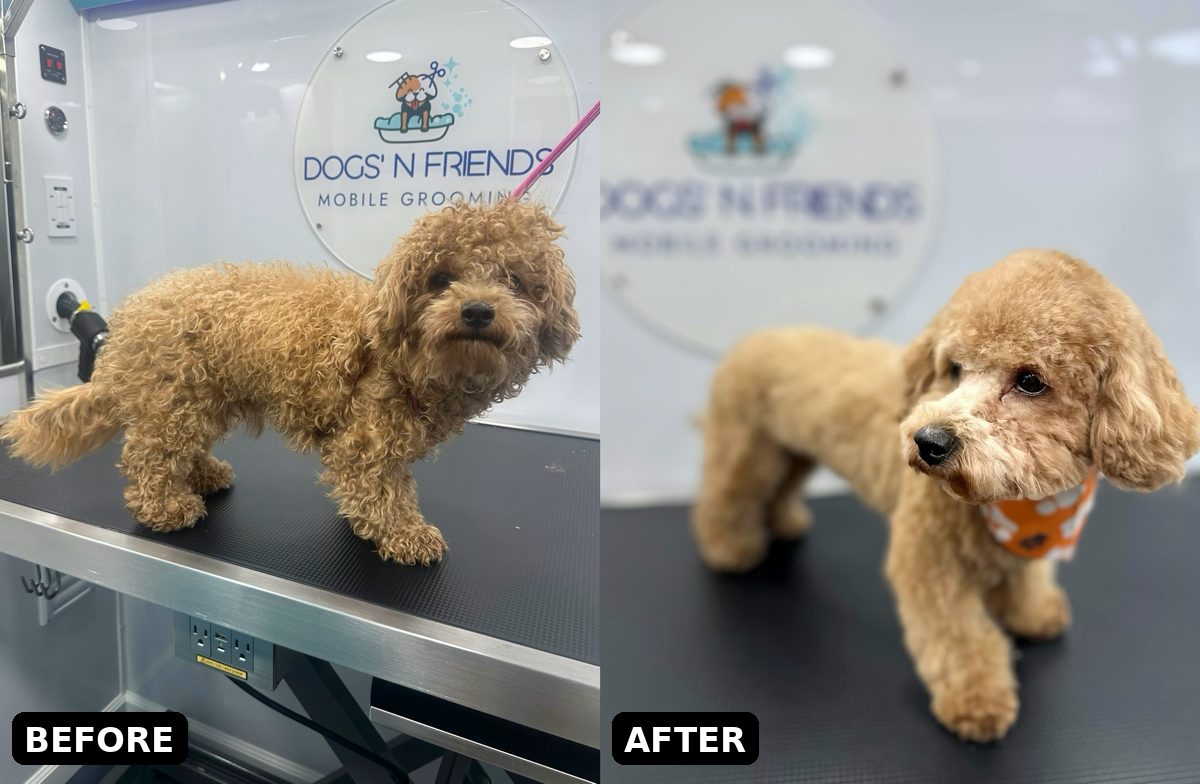
Mats aren't just a cosmetic problem. They pull on the skin, trap moisture and dirt, and can hide irritation underneath. Once a coat is heavily matted, the kindest option is often a short shave-down, and we can't give you the fluffy look you wanted.
Sticking to a 4–6 week schedule keeps the coat manageable, the face and eyes clear, and the grooming session comfortable for your dog.
Double coats: every 6 to 8 weeks
Double-coated dogs have a soft undercoat under a longer outer coat. They shed year-round and "blow" their coat more heavily in spring and fall.
For these dogs, regular grooming is mostly about removing the dead undercoat before it packs down against the skin, holds heat and starts to mat. A professional deshedding every 6–8 weeks makes a big difference in how much fur ends up on your floors.
Want to see how much undercoat can hide in a coat? Read Dog Deshedding: How Much Undercoat Is Hiding in Your Dog's Coat?
One important note: please don't shave a double-coated dog to reduce shedding. The coat protects the skin and helps regulate temperature, and it can grow back unevenly.
Wiry coats: every 6 to 8 weeks
Schnauzers and many terriers have a coarse, wiry coat. Regular trimming keeps their signature look neat and prevents the furnishings on the face and legs from getting tangled or dirty.
Short, smooth coats: every 8 to 12 weeks
Short coats are the lowest maintenance, but "low maintenance" doesn't mean "no maintenance." Short-coated dogs still shed, and they still need their nails trimmed, ears cleaned and teeth brushed.
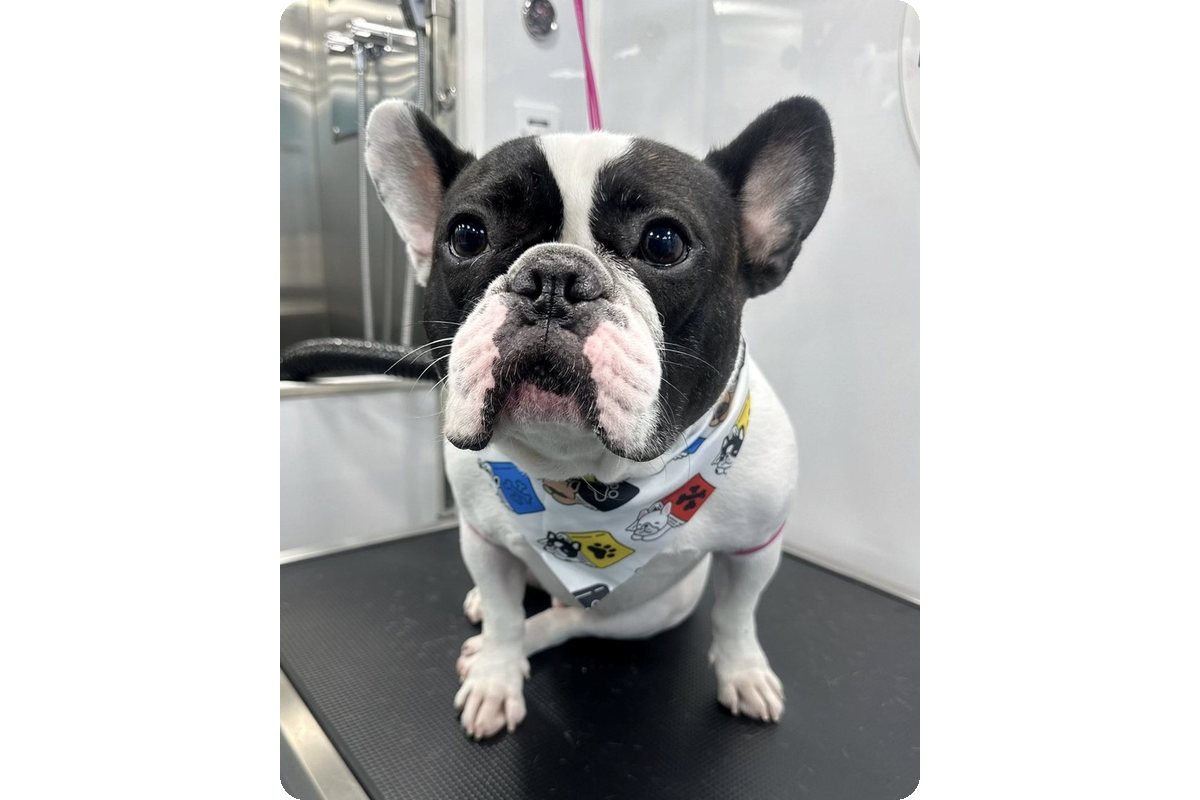
A regular bath and tidy-up every 2–3 months keeps them clean, cuts down shedding and gives us a chance to check skin, ears and nails.
Signs your dog is due for a groom
Whatever the calendar says, your dog will usually tell you when it's time:
Clicking nails on your floor
Tangles or mats, especially behind the ears, under the legs and on the "pants"
Hair growing over the eyes or around the paw pads
More shedding than usual around the house
A doggy smell that comes back quickly after a bath
Scratching, licking or shaking the head more than normal
Scooting, which can be a sign your dog needs a sanitary trim or a check
Puppies and senior dogs
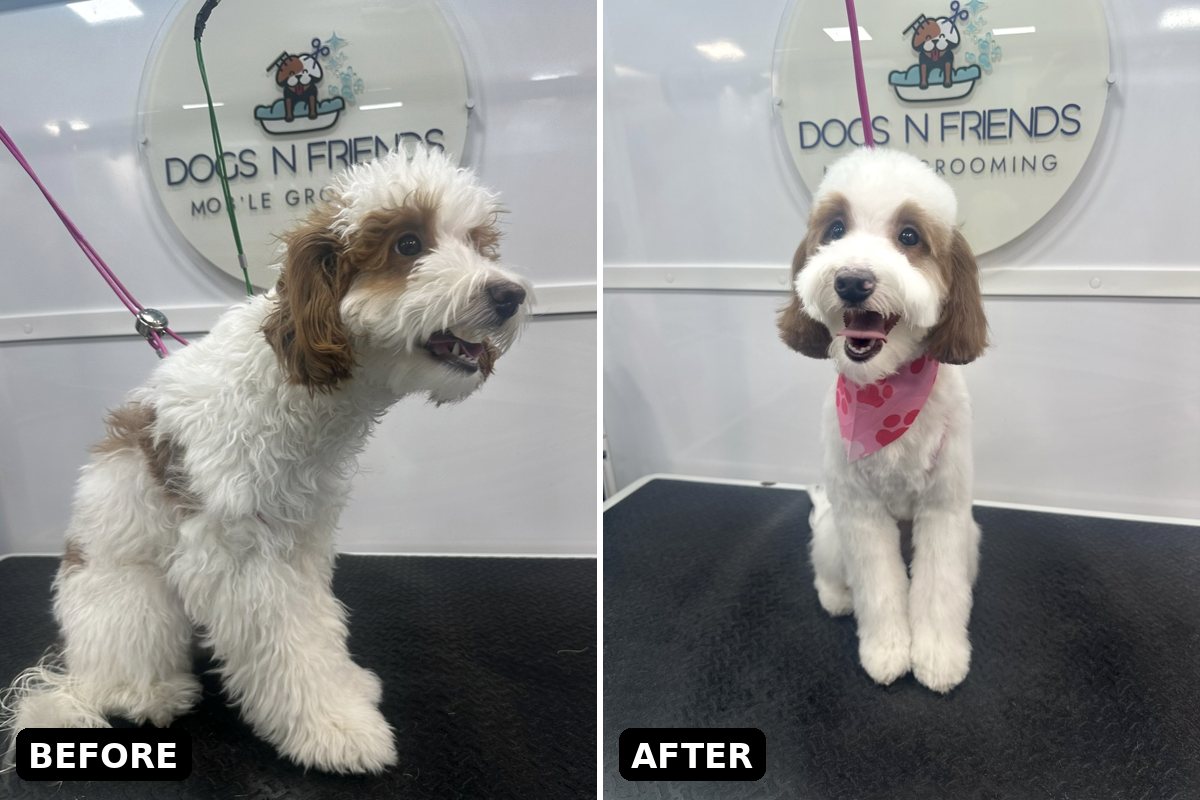
Puppies: Start early, even if the coat doesn't need much yet. Short, positive visits teach your puppy that grooming is nothing to be afraid of. That makes every future groom easier for everyone. Learn more about our puppy grooming.
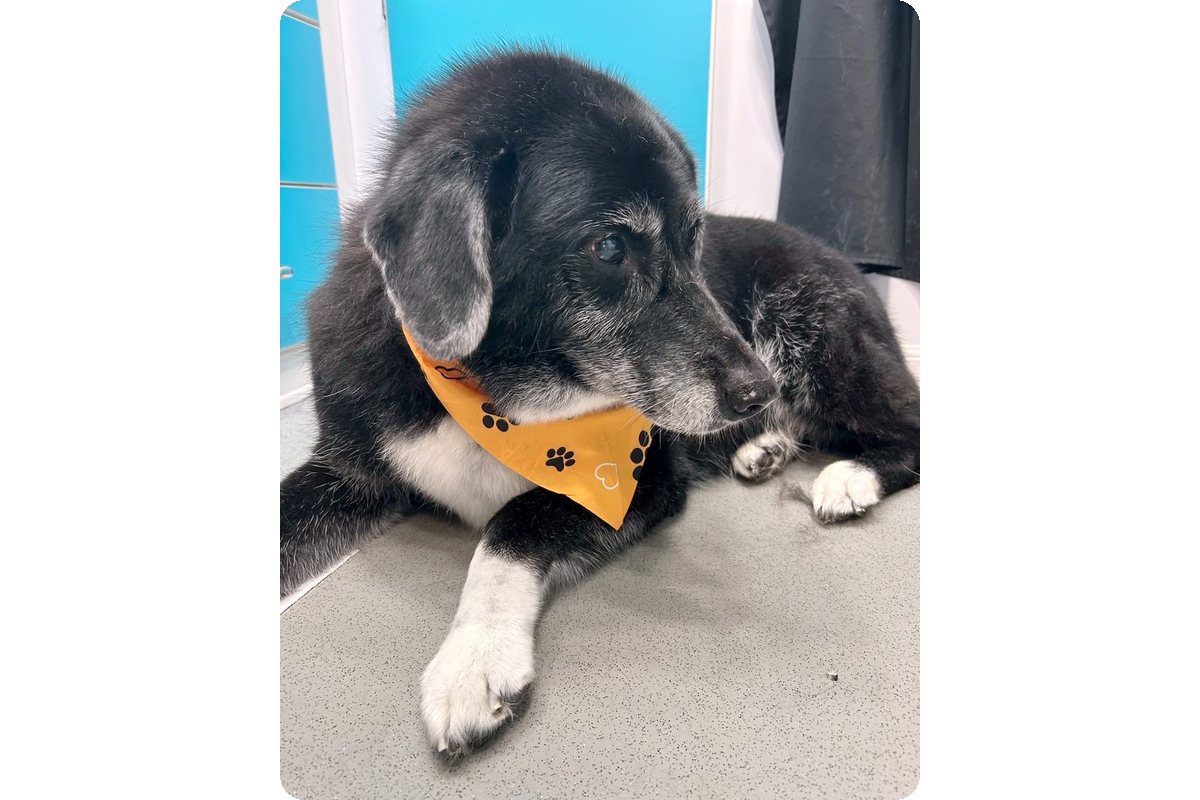
Senior dogs: Older dogs often do better with gentler, shorter sessions a little more often, instead of one long session after months of buildup. Our one-on-one mobile setup means no cages, no waiting and plenty of breaks when they need them.
What to do at home between grooms
A good home routine makes each professional groom easier and helps your dog stay comfortable longer:
Brush regularly: daily for curly and long coats, 2–3 times a week for double coats, weekly for short coats. Brush all the way to the skin, not just the top layer.
Check the friction spots: behind the ears, under the collar, armpits and back legs are where mats start.
Keep the paws clean and dry after walks, especially after rain.
Watch the nails: if you hear clicking, they're due.
Stay on schedule. Regular visits are easier on your dog than one big session after months of buildup.
Why mobile grooming makes a regular schedule easier
The biggest reason people fall behind on grooming isn't the dog. It's the schedule. Drop-off, pick-up and a few hours waiting at a salon add up fast.
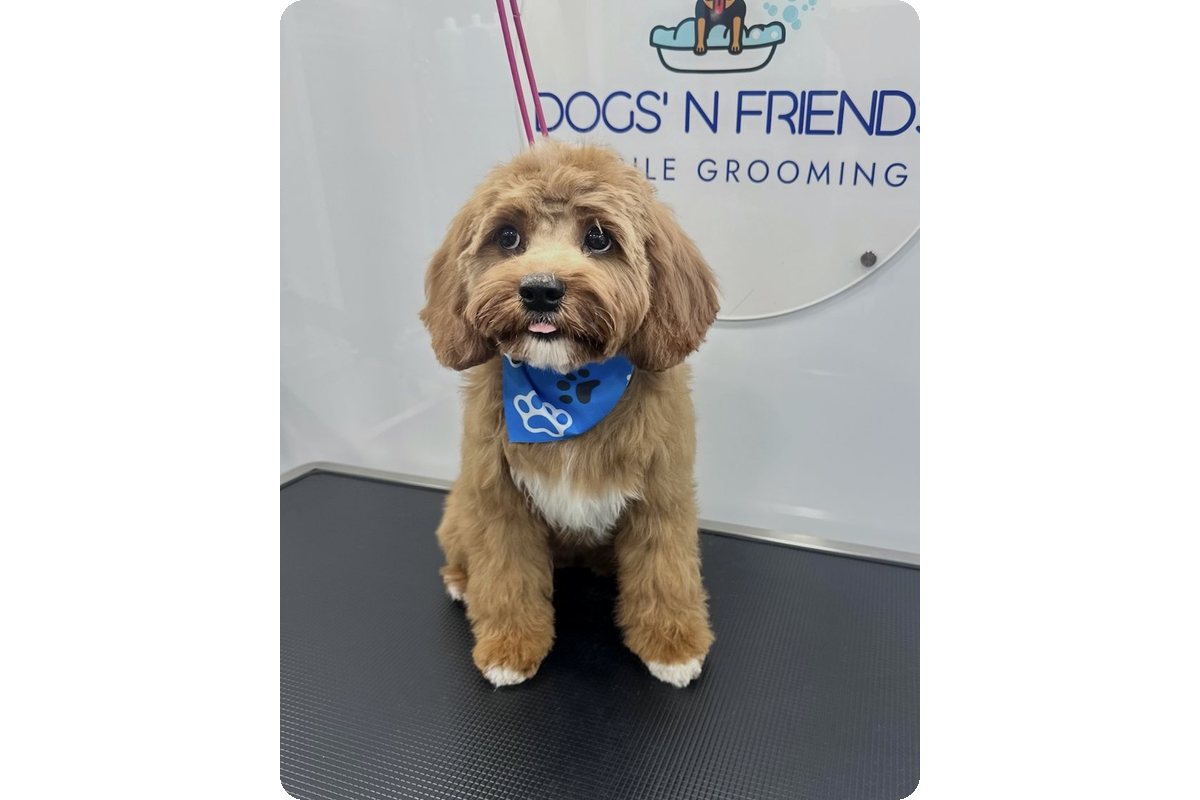
With Dogs'N Friends, our fully equipped grooming van comes to your home in Duluth, Suwanee, Johns Creek, Lawrenceville, Alpharetta and nearby areas. Your dog gets one-on-one attention, there's no car ride or cage, and you stay home. That makes it a lot easier to stick to the schedule your dog's coat actually needs.
Find the right package for your dog
Mini Spa: bath and blow dry, great for short coats between full grooms.
Mini Groom: bath plus face and paw pad trim, ideal to keep curly coats tidy between haircuts.
Full Groom: bath plus a full haircut or deshedding by breed.
Every package includes a deep bath with breed-specific shampoo, brushing, nail trim, ear cleaning, sanitary trim, teeth brushing and a fresh bandana. See all our packages and pricing.
Not sure what schedule is right for your dog? Get a free quote or call or text us at 470-979-8167, and we'll help you figure it out.
